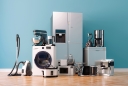

The infographic above shows typical appliance energy consumption. Note: the cost figures shown are based on 11c per kWh — a historical reference rate. Most Queensland households now pay between 25c and 43c per kWh depending on their retailer, tariff, and location. At today's rates, actual running costs are approximately 2–4 times higher than shown.
What Do Appliances Actually Cost to Run in 2025?
Energy prices have risen significantly since this article was first published. Here's a practical guide to typical appliance running costs at current Queensland electricity rates of approximately 32c per kWh:
| Appliance | Typical Wattage | Daily Use | Cost Per Day | Cost Per Year |
|---|---|---|---|---|
| Refrigerator (modern) | 100–200W | 24 hours | ~$0.77–$1.54 | ~$280–$560 |
| Washing Machine (warm wash) | 500–2,000W | 1 hour | ~$0.16–$0.64 | ~$58–$234 |
| Clothes Dryer | 2,000–5,000W | 1 hour | ~$0.64–$1.60 | ~$234–$584 |
| Dishwasher | 1,200–2,400W | 1 hour | ~$0.38–$0.77 | ~$140–$280 |
| Electric Oven | 2,000–5,000W | 1 hour | ~$0.64–$1.60 | ~$234–$584 |
| Split System Air Conditioner | 900–3,500W | 8 hours | ~$2.30–$8.96 | ~$420–$1,638 (seasonal) |
| LED Television (55") | 80–150W | 4 hours | ~$0.10–$0.19 | ~$37–$70 |
| Heat Pump Dryer | 800–1,500W | 1 hour | ~$0.26–$0.48 | ~$95–$175 |
Based on approximately 32c per kWh — the average Queensland residential rate in 2025. Actual costs vary by retailer, tariff, and appliance age and efficiency rating.
Air Conditioning — The Biggest Variable in Your Energy Bill
Of all household appliances, air conditioning typically has the greatest impact on your electricity bill — particularly in Queensland's subtropical climate where cooling runs for months at a time. The good news is that modern air conditioners are significantly more efficient than models from even five years ago.
From 2025, new air conditioning models carry the new Zoned Energy Rating Label (ZERL), which rates efficiency across three Australian climate zones rather than a single national average — making it much easier to choose the right system for the Gold Coast's hot climate. Read more about the new ZERL rating system here.
Household Energy Use in a Bigger Context
Understanding what your appliances cost to run is useful at the household level - but it's worth knowing that household energy consumption is just one part of a rapidly changing energy picture in Australia.
The rise of AI-powered data centres is placing enormous new demand on Australia's electricity grid. A proposed $31.9 billion hyper-scale data centre near Dalby in regional Queensland - set to be the largest in Australia - highlights just how dramatically energy demand is shifting. Australian Energy Market Operator figures suggest data centres could account for 13% of total national electricity demand by 2040.
For more on how energy demand, the greenhouse effect, and Australia's energy future are connected, read our sister site's article - What is the Greenhouse Effect? - which covers data centres, net zero, and what households can do.
Repair or Replace? The Energy Cost Question
When an appliance breaks down, the temptation is often to replace it with something new. But the energy cost calculation isn't always straightforward. Manufacturing a new appliance carries its own significant carbon footprint - and a well-maintained, repaired appliance that runs efficiently may cost less to operate than a cheap replacement with a poor energy rating.
At Eastcoast Appliance Repairs, Mark can assess whether your appliance is worth repairing and give you an honest assessment of its likely running costs compared to a modern equivalent. Call 0408 374 343 for a no-obligation quote.